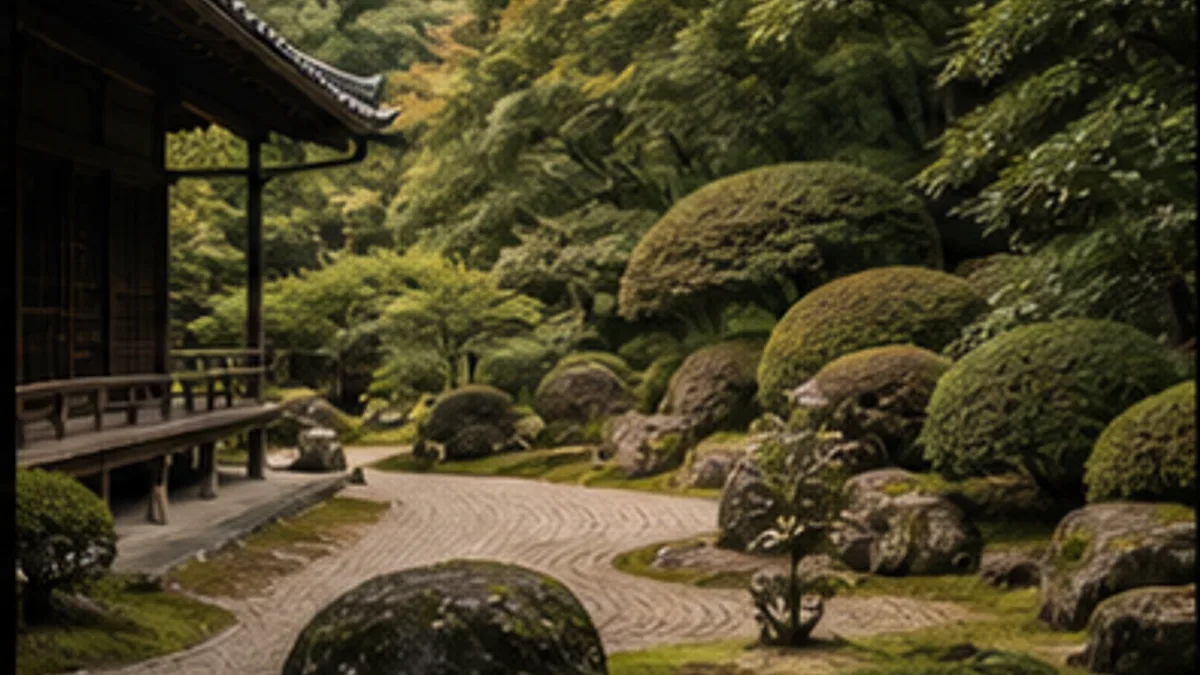
Kyoto Temples and Private Gardens
Kyoto needs timing. WAKO starts early, avoids peak crowds where possible, and connects temples, gardens, tea houses, and dinner reservations by private car.
Best season: April, May, October, and November
Proof checked before the day starts
Licensed green-plate vehicle We confirm the legal green-plate vehicle scope required for paid passenger service before the itinerary is fixed.
Commercial passenger insurance Commercial passenger insurance and driver qualification checks are tied to the same operating support process.
Transparent day rate JPY 60,000/10h The base day rate starts at JPY 60,000/10h; the price table below lists inclusions and exclusions before any conversation.
24-hour operating contact A 24-hour operating contact remains available for incident escalation, timing changes, and privacy-sensitive adjustments.
Kansai
Kyoto Higashiyama deep private day
Hotel-based route fit: start from Higashiyama, Kamogawa, Karasuma, or north Kyoto so temple timing, narrow-street parking, tea, gardens, and dinner reservations stay realistic.
Not a catalog day: the driver-guide protects the early Eastern Kyoto window, then chooses gardens, tea, artisans, or north-side temples by walking load and reservation timing.
A high-end Kyoto day should reduce cross-city transfers, keep quiet time for gardens and tea, and make dinner or ryokan arrival feel composed rather than rushed.
Tell us the hotel, date, temple or garden priorities, tea or craft interests, walking tolerance, and whether dinner or a private garden visit is already requested.
Seasonal and access boundaries
Blossom, maple, and temple approach pressure
- Planning window
- Discuss 3-6 months ahead for April and November, then shorten the route once crowd and dining details are known.
- Can assist
- We can place Higashiyama, Okazaki, northern gardens, or river walks in the least damaging order for the hotel base.
- Depends on availability
- Bloom stage, foliage color, temple hours, road controls, parking, and boarding points decide the final order.
- Cannot promise
- Cannot promise peak bloom, empty lanes, private temple space, or coverage of every famous district in one day.
- Fallback plan
- Fallback plan: remove one far district, add craft or tea time, and keep the day closer to the hotel and dinner area.
- Cost and inclusion boundary
- Temple admission, cultural hosts, meals, taxi-zone workarounds, and cancellation terms are separate unless itemized.
- Update cadence
- Re-check forecast, temple hours, boarding points, and restaurant timing before the final order is confirmed.
- Request brief
- Share hotel, dinner area, walking tolerance, must-see temple, and whether scenery or culture has priority.
Tea, craft, and cultural hosts
- Planning window
- Discuss 1-4 months ahead, with earlier notice for peak seasons or named hosts.
- Can assist
- We can align the route with a confirmed tea, incense, ceramic, textile, or garden visit when suitable.
- Depends on availability
- Hosts, interpreter needs, private rooms, shop days, and etiquette rules determine what is possible.
- Cannot promise
- Cannot promise a named host, geiko appearance, closed-door room, or cultural access outside local rules.
- Fallback plan
- Fallback plan: use a public garden, museum, craft shop, or shorter atelier visit that still fits the route.
- Cost and inclusion boundary
- Experience fees, interpreter support, host honoraria, materials, and cancellation charges require separate confirmation.
- Update cadence
- Re-check after host response, then again when the route, hotel timing, and language support are fixed.
- Request brief
- Share language needs, theme, privacy level, experience spending range if relevant, and any etiquette or mobility concerns.
Restaurant, ryokan, and evening handoff
- Planning window
- Discuss before route confirmation because Kyoto dinner and ryokan timing often decide the final two hours.
- Can assist
- We can protect the evening handoff by keeping Gion, Pontocho, Kiyamachi, or the hotel return realistic.
- Depends on availability
- Restaurant seats, ryokan meal time, luggage handling, taxi zones, and pedestrian restrictions may change the plan.
- Cannot promise
- Cannot promise a named restaurant, special seat, late ryokan meal, or direct front-door vehicle access at every lane.
- Fallback plan
- Fallback plan: end near the confirmed meal, cut one temple, or transfer luggage before the final walk.
- Cost and inclusion boundary
- Meals, ryokan changes, luggage forwarding, cancellation terms, and venue deposits are separate unless confirmed in writing.
- Update cadence
- Re-check restaurant or ryokan timing once confirmed, then on the day before the evening handoff.
- Request brief
- Share dinner time, ryokan rules, luggage count, footwear or stair limits, and latest acceptable hotel return.
Why a private car changes the day
Less transfer stress
A private car solves the parts of a Japan day that usually become stressful: station transfers, luggage, weather, dining windows, and the return journey.
More meaningful time on site
The day is not packed with stops. Parking, walking, photos, lunch, and rest are counted so each visit has room to breathe.
Clear boundaries before confirmation
Vehicle time, inclusions, unrealistic requests, and weather alternatives are explained before the day is confirmed.
Why this destination needs a private car
Kyoto is where private routing matters most: temple openings, narrow streets, taxi bottlenecks, garden light, tea appointments, and dinner locations decide whether the day feels serene or crowded. A good route starts early and avoids treating Higashiyama as a single pedestrian corridor.
A private day, sequenced by time
07:30
Early Higashiyama approach
Start before the main bus flow and enter Kiyomizu or the Sannenzaka area with a short, controlled walking segment.
09:30
Nanzen-ji and garden pause
Shift north by car for temple scale, aqueduct views, and a calmer garden rhythm before the central streets peak.
11:00
Philosopher Path or private garden substitute
Use the Philosopher Path only when season and foot traffic justify it; otherwise choose a quieter garden or temple precinct.
12:30
Lunch near the next district
Place lunch toward Okazaki, Gion, or the hotel side so the afternoon does not collapse into cross-town transfer time.
14:30
Tea, craft, or atelier appointment
Replace one temple with tea, incense, ceramics, or textile time for guests who want depth rather than a checklist.
17:00
Gion evening handoff
End near Gion, Pontocho, or the hotel with enough buffer for dinner, geiko district etiquette, and luggage logistics.
Season and crowd strategy
April and November require earlier starts, fewer stops, and a hotel-dining plan locked before the route is finalized.
May and early summer can be excellent for moss, fresh green gardens, and a calmer temple rhythm.
Winter works for architecture, ryokan stays, and kaiseki, with shorter walking segments and more indoor culture.
How we avoid the pressure points
Do not pair Kiyomizu, Fushimi Inari, Arashiyama, and Kinkaku-ji in one premium day; the transfer pattern is too blunt.
Use Higashiyama at opening or near evening, not as a midday procession through the busiest lanes.
Keep Nishiki Market optional and short; it can dilute a private Kyoto day if treated as a main attraction.
Our routes
Eastern Kyoto private route
Starts Eastern Kyoto early and sequences Kiyomizu-dera, Gion, Nanzen-ji, and the Philosopher Path around crowd pressure, walking distance, and dinner reservations.
- -Kiyomizu-dera
- -Gion
- -Nanzen-ji
- -Philosopher Path
North Kyoto garden route
Connects Kinkaku-ji, Ryoan-ji, and the Aman Kyoto area as a quieter north-side garden day with longer stops and fewer cross-city transfers.
- -Kinkaku-ji
- -Ryoan-ji
- -Aman Kyoto area
Tea, ateliers, and private gardens
Centers Uji tea, Kiyamachi, private garden access, and Pontocho around artisanship and reservation timing rather than stacking famous temples.
- -Uji tea district
- -Kiyamachi
- -Private garden visit
- -Pontocho
The route can stay private without becoming vague
Share your hotel, timing, and non-negotiables now; we will turn this outline into one private day with the right driver-guide, vehicle, and pacing.
Tell us your dates and preferencesStay here
Hotel-route fit matrix
The Shinmonzen
JPY 120,000-280,000/night during sakura, foliage, and festival windows- Hotel anchor
- The Shinmonzen and the Gion canal-side design base.
- Guest fit
- Best for guests who want Higashiyama, Gion etiquette, river walks, and dinner handoff without a long evening transfer.
- Route axis
- Kiyomizu edge, Yasaka, Gion, Okazaki or Nanzen-ji, then a river-side or Pontocho evening.
- Why it fits
- The hotel keeps eastern Kyoto close enough to start early, pause midday, and finish near dining without claiming private access to temple spaces.
- Time and distance
- Gion and Higashiyama stay compact; northern temples or Arashiyama should not be added unless another axis is removed.
- Season boundary
- Blossom and foliage periods need fewer stops, earlier starts, and restaurant timing checked before the day is finalized.
- Vehicle and luggage
- Lexus LS500h fits 1-3 guests with light bags; Alphard is better for checkout luggage or families using child seats.
- Request brief
- Share dinner area, walking tolerance, culture interests, luggage, child seats, and whether Gion evening time is essential.
- Reference price tier
- Reference stay level from JPY 80,000/night; restaurants, culture appointments, and rooms are arranged only when available.
Tawaraya Ryokan
JPY 160,000-360,000+/night during Kyoto peak cultural windows- Hotel anchor
- Tawaraya Ryokan and the city-center ryokan base.
- Guest fit
- Best for guests who prioritize privacy, ryokan pacing, and a composed return before dinner.
- Route axis
- Imperial Palace area, Nishiki only if brief, Kiyamachi, Gion, and one culture or craft appointment.
- Why it fits
- The ryokan anchor keeps the day disciplined: fewer stops, less cross-city transfer, and enough buffer for service and dining expectations.
- Time and distance
- Central Kyoto supports short car moves, but temple approach lanes still require planned walking and legal boarding points.
- Season boundary
- Peak seasons require a shorter plan; restaurant and ryokan dinner times should decide the final afternoon order.
- Vehicle and luggage
- Lexus LS500h suits a quiet 1-3 guest day; Alphard is preferred if luggage must remain with the car.
- Request brief
- Share ryokan timing, meal constraints, culture request priority, mobility limits, and whether market time should stay optional.
- Reference price tier
- Reference stay level from JPY 150,000/night; room, meal, and cultural requests remain subject to separate confirmation.
Aman Kyoto
JPY 180,000-420,000+/night during sakura, foliage, and holiday windows- Hotel anchor
- Aman Kyoto and the northern forest-garden base.
- Guest fit
- Best for quiet-culture travelers who prefer northern gardens, architecture, and longer pauses.
- Route axis
- Kinkaku-ji, Ryoan-ji, Daitoku-ji or Kamigamo, with Ohara only when the day is intentionally slower.
- Why it fits
- The northern base reduces cross-city friction and lets the driver-guide keep the day deep without promising to cover Kyoto widely.
- Time and distance
- North-side temples are workable together; eastern Kyoto or Arashiyama should be a separate decision, not an automatic add-on.
- Season boundary
- Autumn foliage and moss-season visits need stronger buffers because approach roads and garden paths slow down.
- Vehicle and luggage
- Alphard is safest for luggage, coats, and longer north-side transfers; Lexus LS500h works for a lighter couple route.
- Request brief
- Share whether the priority is gardens, Zen architecture, tea, return timing, luggage count, and the latest acceptable hotel arrival.
- Reference price tier
- Reference stay level from JPY 180,000/night; the route protects the stay rhythm rather than adding every famous temple.
Aman Kyoto
JPY 180,000-420,000+/night during sakura, foliage, and holiday windowsBest for northern garden routing, forest calm, and guests who want Kyoto to feel withdrawn after temple time.
Booking window: Plan 3-6 months ahead; longer for blossom and foliage periods.
Tawaraya Ryokan
JPY 160,000-360,000+/night during Kyoto peak cultural windowsA historic ryokan anchor for guests whose Kyoto priority is service, privacy, and dinner pacing.
Booking window: Plan 3-6 months ahead, with flexibility on dates and room type.
The Shinmonzen
JPY 120,000-280,000/night during sakura, foliage, and festival windowsStrong for a Gion, river, design, and dining route with minimal evening transfer friction.
Booking window: Plan 2-4 months ahead; suites and peak weekends need earlier action.
Genji Kyoto
JPY 35,000-75,000/night during Kyoto peak weekends and holiday datesA design-sensitive base for guests who want Kyoto texture without relying only on famous luxury names.
Booking window: Plan 1-3 months ahead; confirm view and bedding needs early.
Aman Kyoto
Official hotel siteJPY 180,000-420,000+/night during sakura, foliage, and holiday windows
Price reference valid until: 2026-09
A secluded forest resort at the edge of northern Kyoto.
- Station
- Kitaoji Station, about 15-25 min by private car
- Spot
- Kinkaku-ji and northwest Kyoto temples, about 10-20 min by private car
- Airport
- Kansai International Airport, about 100-140 min by private car
- Children
- Aman Kyoto family suitability, bedding, and connecting-room options are confirmed before quotation.
- Pets
- Aman Kyoto pet policy is confirmed directly with the property before booking.
- Rating
- 4.6 · Rating source: Aman Kyoto official luxury hotel or brand listing, Google Maps, Booking.com, Agoda, and Ikkyu/Jalan public review references; verified during inquiry.
Tawaraya Ryokan
Official hotel siteJPY 160,000-360,000+/night during Kyoto peak cultural windows
Price reference valid until: 2026-09
Historic Kyoto ryokan service with a deeply private atmosphere.
- Station
- Kyoto Shiyakusho-mae Station, about 5-10 min walk
- Spot
- Kyoto Imperial Palace and central Kyoto dining, about 5-15 min by private car
- Airport
- Kansai International Airport, about 90-130 min by private car
- Children
- Tawaraya Ryokan family suitability, bedding, and connecting-room options are confirmed before quotation.
- Pets
- Tawaraya Ryokan pet policy is confirmed directly with the property before booking.
- Rating
- 4.8 · Rating source: Tawaraya Ryokan official ryokan or temple lodging listing, Google Maps, Ikkyu, and Jalan public review references; verified during inquiry.
The Shinmonzen
Official hotel siteJPY 120,000-280,000/night during sakura, foliage, and festival windows
Price reference valid until: 2026-09
Design-led boutique hotel on a quiet Gion canal.
- Station
- Sanjo Station, about 5-10 min walk
- Spot
- Gion Shirakawa and Kennin-ji area, local walking access
- Airport
- Kansai International Airport, about 90-130 min by private car
- Children
- The Shinmonzen family suitability, bedding, and connecting-room options are confirmed before quotation.
- Pets
- The Shinmonzen pet policy is confirmed directly with the property before booking.
- Rating
- 4.7 · Rating source: The Shinmonzen official boutique or design-hotel listing, Google Maps, Booking.com, Agoda, and design-hotel public review references; verified during inquiry.
Genji Kyoto
Official hotel siteJPY 35,000-75,000/night during Kyoto peak weekends and holiday dates
Price reference valid until: 2026-09
Riverside Kyoto design stay near local streets.
- Station
- Kiyomizu-Gojo Station, about 5-10 min walk
- Spot
- Kiyomizu-dera and Higashiyama, about 10-20 min by private car
- Airport
- Kansai International Airport, about 90-130 min by private car
- Children
- Genji Kyoto family suitability, bedding, and connecting-room options are confirmed before quotation.
- Pets
- Genji Kyoto pet policy is confirmed directly with the property before booking.
- Rating
- 4.7 · Rating source: Genji Kyoto official boutique or design-hotel listing, Google Maps, Booking.com, Agoda, and design-hotel public review references; verified during inquiry.
Your driver-guide for the day
How the driver-guide runs the day
In Kyoto the driver-guide protects the guest from trying to drive into every famous lane. The work is in choosing where to walk slowly, where the car should wait outside the pressure zone, and how to connect temples, gardens, craft streets, and dinner without forcing guests through repeated taxi queues or crowded station transfers.
Vellfire
Best for 2-5 guests who want a premium cabin but still need practical access around Kyoto hotels and temple edges.
Fits two large suitcases or several shopping bags when the day connects hotel change, craft stops, or ryokan arrival.
The Vellfire fits Kyoto because it offers a quiet cabin and flexible doors while staying practical around hotel porte-cocheres, temple-adjacent parking, and narrow approach roads.
Day-of focus
- Decide which temple or garden deserves the quietest time window and which famous stop should be shortened or replaced.
- Coordinate legal parking and walking handoffs so the guest experiences Kyoto on foot only where it is worth slowing down.
- Protect lunch, tea, ryokan, and dinner reservations from delays caused by seasonal crowding or road controls.
Vehicle and service assurance
- Licensed green-plate vehicle assignment, second-class license scope, commercial passenger insurance, and driver qualification checks are completed before confirmation.
- The driver-guide confirms hotel arrival timing, parking constraints, toll choices, and route alternatives before the day starts.
- A 24-hour operating contact remains available for incident escalation, timing changes, or privacy-sensitive adjustments during the route.
When we change the route
- Kyoto parking and boarding points must be planned before the day; not every temple supports direct front-door access.
- Peak foliage and blossom days should have a shorter plan with stronger buffers.
- Restaurant cancellations and ryokan dinner times can be stricter than in Tokyo or Osaka.
Planning signals we watch
- P0 priorityMaster Prompt v6.0 names Kyoto Higashiyama as a P0 page and the research report prioritizes Kyoto after Tokyo and Fuji-Hakone.
- World Heritage densityThe research report identifies Kyoto as a 17-site World Heritage cluster, which requires careful sequencing rather than volume.
- Hotel scarcityAman Kyoto, Tawaraya, and The Shinmonzen match the report emphasis on scarce, route-defining stays.
Transparent pricing
| Vehicle | Guests | Luggage | Day rate |
|---|---|---|---|
| Crown | 1-3 guests | 1 large suitcase | JPY 60,000/10h |
| Alphard | 1-4 guests | 2 large suitcases | JPY 68,000/10h |
| Vellfire | 1-4 guests | 2 large suitcases | JPY 68,000/10h |
| HiAce Grand Cabin | 5-8 guests | 6 large suitcases | JPY 85,000/10h |
| Lexus LS500h | 1-3 guests | 1 large suitcase | JPY 120,000/10h |
Includes
- +Licensed private vehicle
- +Driver-guide coordination
- +Second-class license and green-plate verification
- +Commercial passenger insurance check
- +Fuel, tolls, and parking
- +Flight-delay monitoring for airport pickup
- +Child-seat request check
- +Hotel pickup and drop-off
- +Route planning by WhatsApp
- +24-hour emergency contact
Excludes
- -Meals
- -Admission tickets
- -Accommodation
- -Confirmed plan includes a 30-minute operating buffer; beyond the buffer JPY 5,000/hour applies