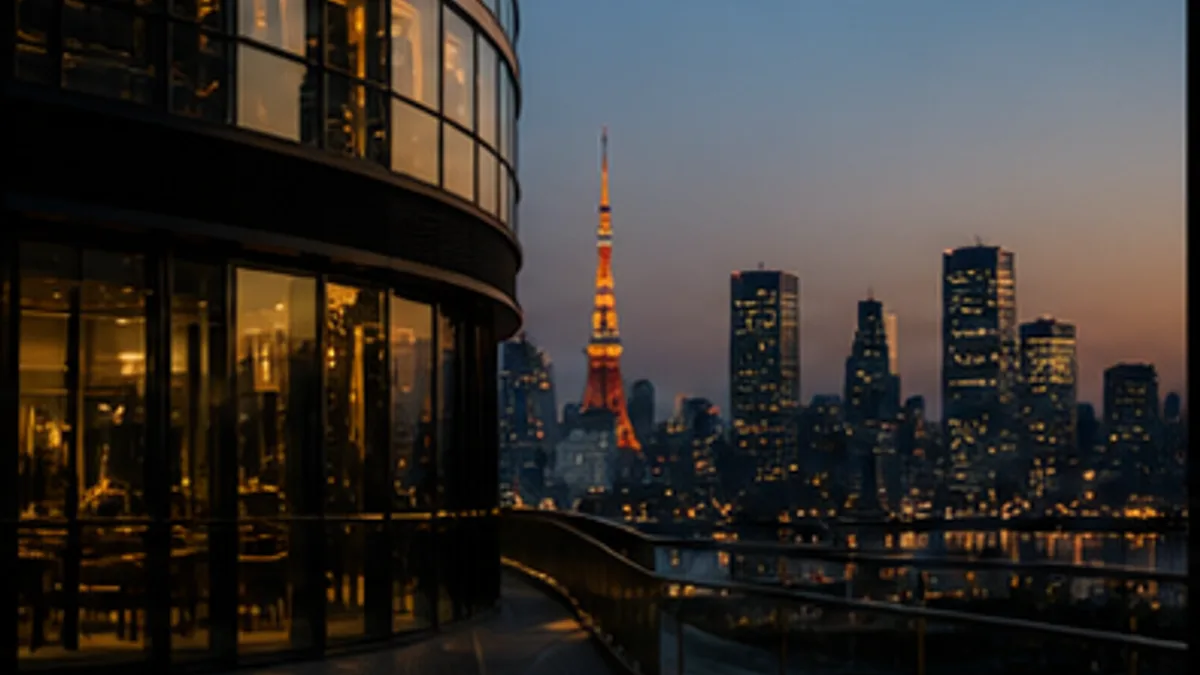
Tokyo Architecture and Dining
Tokyo works best when the day is sequenced carefully. WAKO plans a calm private route through the Imperial Palace area, Ginza, Omotesando, Roppongi, and selected dining stops without forcing a group itinerary.
Best season: March-May and October-November
Proof checked before the day starts
Licensed green-plate vehicle We confirm the legal green-plate vehicle scope required for paid passenger service before the itinerary is fixed.
Commercial passenger insurance Commercial passenger insurance and driver qualification checks are tied to the same operating support process.
Transparent day rate JPY 60,000/10h The base day rate starts at JPY 60,000/10h; the price table below lists inclusions and exclusions before any conversation.
24-hour operating contact A 24-hour operating contact remains available for incident escalation, timing changes, and privacy-sensitive adjustments.
Kanto
Tokyo luxury private day
Hotel-based route fit: start from Otemachi, Marunouchi, Ginza, or Nihonbashi so architecture, shopping bags, galleries, and dinner timing stay controlled.
Not a catalog day: the driver-guide sequences palace calm, Ginza/Nihonbashi design, Omotesando architecture, and Roppongi or Toranomon culture around your confirmed table.
A high-end Tokyo day should feel precise, private, and quiet enough to change when rain, shopping, exhibitions, or restaurant timing shift.
Tell us the hotel, date, dining window, shopping or architecture focus, and whether the day ends at dinner or back at the hotel.
Seasonal and access boundaries
Cherry blossom and foliage timing
- Planning window
- Discuss 3-6 months ahead for peak spring or autumn stays, then re-check the route one week before the day.
- Can assist
- We can position Chidorigafuchi, Hamarikyu, Aoyama, or palace-edge walks around hotel pickup and dining time.
- Depends on availability
- Bloom stage, garden crowd controls, weather, road rules, and the confirmed restaurant location all affect the order.
- Cannot promise
- Cannot promise peak bloom, empty paths, special viewing areas, or a fixed photo moment.
- Fallback plan
- Fallback plan: use galleries, covered design retail, hotel lounges, and a shorter garden edge when the outdoor window narrows.
- Cost and inclusion boundary
- Private car pricing does not include venue tickets, dining, paid viewing seats, or third-party reservation charges.
- Update cadence
- Re-check forecast, venue hours, and road controls during planning and again shortly before the day.
- Request brief
- Share hotel, date range, dinner time, walking tolerance, rain preference, and whether blossoms or dining has priority.
Restaurants, exhibitions, and private appointments
- Planning window
- Discuss 1-3 months ahead for dining-led days, with earlier notice for weekends, holidays, or special exhibitions.
- Can assist
- We can align the car route with confirmed restaurant, gallery, shopping, or atelier timing.
- Depends on availability
- Tables, exhibition hours, private shopping rooms, and atelier hosts depend on each venue and may change.
- Cannot promise
- Cannot promise a named table, chef counter, closed-door appointment, or access outside the venue rules.
- Fallback plan
- Fallback plan: keep a second neighborhood and indoor route ready so the day remains polished without the first-choice venue.
- Cost and inclusion boundary
- Venue deposits, meals, admission, interpreter fees, and cancellation charges are separate from the car route unless confirmed in writing.
- Update cadence
- Re-check confirmations when the venue responds, then again before final driver timing is locked.
- Request brief
- Share cuisine limits, preferred dinner area, names already requested, shopping themes, and any privacy needs.
Evening traffic and hotel-return pressure
- Planning window
- Discuss before confirming the day because Tokyo evening transfers are shaped by dinner district and hotel base.
- Can assist
- We can sequence Ginza, Roppongi, Toranomon, or Omotesando so the final transfer feels controlled.
- Depends on availability
- Road controls, event traffic, parking, luggage volume, and restaurant handoff timing decide the last segment.
- Cannot promise
- Cannot promise a fixed minute-by-minute arrival when weather, traffic, or event controls change.
- Fallback plan
- Fallback plan: remove the farthest west-side stop, move culture time indoors, or end directly at dinner.
- Cost and inclusion boundary
- Overtime, parking, tolls, and waiting time follow the confirmed vehicle plan and are not hidden inside a venue promise.
- Update cadence
- Re-check traffic/event conditions on the travel day before the final evening order is executed.
- Request brief
- Share the final address, latest acceptable arrival, luggage count, and whether the car should wait through dinner.
Why a private car changes the day
Less transfer stress
A private car solves the parts of a Japan day that usually become stressful: station transfers, luggage, weather, dining windows, and the return journey.
More meaningful time on site
The day is not packed with stops. Parking, walking, photos, lunch, and rest are counted so each visit has room to breathe.
Clear boundaries before confirmation
Vehicle time, inclusions, unrealistic requests, and weather alternatives are explained before the day is confirmed.
Why this destination needs a private car
Tokyo rewards private routing because the best day is not one line on a map. The value is in sequencing Imperial Palace calm, Ginza and Nihonbashi design, Omotesando architecture, and an evening dining district without losing time to transfers or station walks.
A private day, sequenced by time
08:30
Hotel departure and Imperial Palace edge
Start from Otemachi, Hibiya, or Ginza before office traffic settles, using a short palace-side walk as a quiet opening rather than a long sightseeing stop.
09:45
Nihonbashi design and craft layer
Read Tokyo through department-store architecture, craft floors, coffee, and smaller design addresses that fit guests who value precision over spectacle.
11:30
Ginza galleries and lunch positioning
Keep the car close while the guide sequences galleries, tableware, watches, or private shopping requests around a confirmed lunch reservation.
13:30
Omotesando architecture route
Move west for Prada Aoyama, Nezu Museum surroundings, and side-street boutiques, avoiding the heaviest Harajuku pedestrian flow.
15:30
Roppongi or Toranomon culture stop
Choose Mori Art Museum, Azabudai Hills, or Toranomon depending on exhibition calendars and the evening restaurant location.
17:30
Evening dining transfer
Finish with a smooth transfer to Ginza, Akasaka, Nishi-Azabu, or the hotel, with luggage and shopping handled in the vehicle.
Season and crowd strategy
Cherry blossom windows work best with Chidorigafuchi, Hamarikyu, or Aoyama Cemetery added early, then a fully flexible indoor backup.
Summer heat favors museum, design, and dining pacing with fewer open-air walks between 12:00 and 15:00.
Autumn is ideal for garden edges and architecture because the air is clear and evening dining transfers are more predictable than in spring.
How we avoid the pressure points
Avoid Shibuya Crossing as a core stop unless the guest specifically asks for it; it consumes time without adding private-route value.
Use Ginza and Nihonbashi before lunch, then Omotesando after the first retail rush instead of reversing the route.
Keep Asakusa as an early or late add-on only; midday Nakamise traffic changes the tone of a premium Tokyo day.
Our routes
Imperial Palace, Ginza, and Roppongi
Links the Imperial Palace, Ginza, Omotesando, and Roppongi through architecture, galleries, and dining windows instead of treating central Tokyo as a rushed photo checklist.
- -Imperial Palace
- -Ginza
- -Omotesando
- -Roppongi
Old Tokyo and design stores
Keeps Asakusa, Ueno, Yanaka, and Daikanyama in a slower sequence for craft streets, design shops, and old-neighborhood texture without forcing peak-hour crossings.
- -Asakusa
- -Ueno
- -Yanaka
- -Daikanyama
Tokyo Bay private evening
Uses the car to turn Hamarikyu, Toyosu, Tokyo Bay, and Toranomon into a calm evening route with skyline timing, dinner logistics, and an easy hotel return.
- -Hamarikyu Gardens
- -Toyosu
- -Tokyo Bay
- -Toranomon
The route can stay private without becoming vague
Share your hotel, timing, and non-negotiables now; we will turn this outline into one private day with the right driver-guide, vehicle, and pacing.
Tell us your dates and preferencesStay here
Hotel-route fit matrix
Aman Tokyo
JPY 180,000-360,000+/night during peak sakura and autumn windows- Hotel anchor
- Aman Tokyo and the Otemachi palace-side base.
- Guest fit
- Best for short-stay couples or executives who want a quiet high-floor reset between city segments.
- Route axis
- Imperial Palace edge, Nihonbashi, Ginza, Omotesando, then Roppongi or Toranomon if dinner timing allows.
- Why it fits
- The hotel keeps the first hour calm and lets the car protect shopping bags, rest breaks, and dinner transfers. Avoid cross-city backtracking by keeping the west-side stop optional.
- Time and distance
- Palace-side walking can start within a short drive; Ginza and Nihonbashi stay compact before the west-side move.
- Season boundary
- Cherry blossom mornings need Chidorigafuchi decisions before departure; rain shifts the day toward galleries and covered retail.
- Vehicle and luggage
- Lexus LS500h suits 1-3 guests with one large suitcase or shopping holds; Alphard is safer for more bags or child seats.
- Request brief
- Share hotel, pickup time, dinner area, shopping volume, luggage, child seats, and whether the day ends at the restaurant or hotel.
- Reference price tier
- Reference stay level from JPY 150,000/night; room, dining, and ticket availability stay separate from the car plan.
K5
JPY 35,000-65,000/night during design-event and holiday windows- Hotel anchor
- K5 and the Nihonbashi design-hotel base.
- Guest fit
- Best for repeat visitors, design shoppers, and guests who prefer craft streets over headline landmarks.
- Route axis
- Nihonbashi craft, Asakusa or Ueno only when timed early, Ginza lunch, and Daikanyama or Aoyama by interest.
- Why it fits
- The hotel makes old Tokyo, coffee, design retail, and small galleries feel local while the car prevents the day from becoming a station-transfer chain.
- Time and distance
- Nihonbashi and Ginza are close enough for short transfers; Asakusa and west-side design should not both be forced at midday.
- Season boundary
- Summer heat favors indoor craft and cafe pacing; peak Asakusa hours should be shortened or replaced.
- Vehicle and luggage
- Crown or Lexus LS500h fits 1-3 guests; Alphard is preferred when luggage, shopping, or a stroller stays with the car.
- Request brief
- Share preferred design themes, lunch timing, walking tolerance, luggage, and whether Asakusa is essential or only optional.
- Reference price tier
- Reference stay level from JPY 30,000/night; keep it as a design anchor, not a price-led proposition.
The Peninsula Tokyo
JPY 140,000-280,000/night during sakura, autumn, and holiday periods- Hotel anchor
- The Peninsula Tokyo and the Hibiya-Ginza classic base.
- Guest fit
- Best for first-time luxury travelers who want palace calm, Ginza access, and an easy return before dinner.
- Route axis
- Hibiya, Marunouchi, Ginza, Aoyama architecture, then Akasaka, Nishi-Azabu, or the hotel return.
- Why it fits
- The base keeps central Tokyo compact and gives the driver clear legal stopping choices before any west-side art or dining extension.
- Time and distance
- Imperial Palace, Marunouchi, and Ginza stay close; Omotesando and Roppongi need traffic-aware sequencing.
- Season boundary
- Holiday and event periods require fewer stops, because Ginza parking and evening dinner approaches can slow sharply.
- Vehicle and luggage
- Lexus LS500h gives the quietest cabin for 1-3 guests; Alphard is better if the day includes checkout luggage.
- Request brief
- Share dinner district, retail priorities, luggage count, exhibition interests, and any mobility limits before we lock the order.
- Reference price tier
- Reference stay level from JPY 120,000/night; hotel stay, restaurants, and private appointments are confirmed separately.
Aman Tokyo
JPY 180,000-360,000+/night during peak sakura and autumn windowsBest for guests who want Otemachi calm, palace access, and a high-floor reset between city segments.
Booking window: Plan 2-4 months ahead; suites and peak blossom dates need earlier confirmation.
Bulgari Hotel Tokyo
JPY 240,000-560,000+/night during peak Tokyo luxury datesStrong for Tokyo Station arrivals, Yaesu dining, and a polished Ginza-Nihonbashi day.
Booking window: Plan 2-5 months ahead for weekends, suites, and restaurant-led itineraries.
The Peninsula Tokyo
JPY 140,000-280,000/night during sakura, autumn, and holiday periodsA classic Hibiya base that keeps Imperial Palace, Ginza, Marunouchi, and dinner transfers compact.
Booking window: Plan 1-3 months ahead; earlier for connecting rooms and holiday periods.
K5
JPY 35,000-65,000/night during design-event and holiday windowsA design-forward Nihonbashi base for guests who want the city to feel local and architectural.
Booking window: Plan 1-2 months ahead because the room count is small.
MUJI Hotel Ginza
JPY 30,000-55,000/night during Ginza peak shopping and holiday datesA restrained Ginza base for practical luxury guests focused on shopping, dining, and walkability.
Booking window: Plan 3-8 weeks ahead; earlier for weekends with multiple rooms.
Aman Tokyo
Official hotel siteJPY 180,000-360,000+/night during peak sakura and autumn windows
Price reference valid until: 2026-09
A calm high-floor base above Otemachi with large rooms and Imperial Palace access.
- Station
- Otemachi Station, 2 min walk
- Spot
- Imperial Palace, 5 min drive
- Airport
- Haneda Airport, about 25-45 min by private car; Narita Airport, about 60-90 min
- Children
- Aman Tokyo family suitability, bedding, and connecting-room options are confirmed before quotation.
- Pets
- Aman Tokyo pet policy is confirmed directly with the property before booking.
- Rating
- 4.9 · Rating source: Aman Tokyo official luxury hotel or brand listing, Google Maps, Booking.com, Agoda, and Ikkyu/Jalan public review references; verified during inquiry.
Bulgari Hotel Tokyo
Official hotel siteJPY 240,000-560,000+/night during peak Tokyo luxury dates
Price reference valid until: 2026-09
Skyline hotel over Yaesu with polished dining and direct Tokyo Station access.
- Station
- Tokyo Station and Yaesu area, about 5-10 min walk
- Spot
- Imperial Palace East Gardens and Ginza, about 5-15 min by private car
- Airport
- Haneda Airport, about 25-45 min by private car; Narita Airport, about 60-90 min
- Children
- Bulgari Hotel Tokyo family suitability, bedding, and connecting-room options are confirmed before quotation.
- Pets
- Bulgari Hotel Tokyo pet policy is confirmed directly with the property before booking.
- Rating
- 4.7 · Rating source: Bulgari Hotel Tokyo official luxury hotel or brand listing, Google Maps, Booking.com, Agoda, and Ikkyu/Jalan public review references; verified during inquiry.
The Peninsula Tokyo
Official hotel siteJPY 140,000-280,000/night during sakura, autumn, and holiday periods
Price reference valid until: 2026-09
Classic luxury facing the Imperial Palace and Hibiya.
- Station
- Hibiya Station, direct local access; Yurakucho Station, about 5 min walk
- Spot
- Imperial Palace outer gardens and Ginza, about 5-10 min by private car
- Airport
- Haneda Airport, about 25-45 min by private car; Narita Airport, about 60-90 min
- Children
- The Peninsula Tokyo family suitability, bedding, and connecting-room options are confirmed before quotation.
- Pets
- The Peninsula Tokyo pet policy is confirmed directly with the property before booking.
- Rating
- 4.7 · Rating source: The Peninsula Tokyo official luxury hotel or brand listing, Google Maps, Booking.com, Agoda, and Ikkyu/Jalan public review references; verified during inquiry.
JPY 35,000-65,000/night during design-event and holiday windows
Price reference valid until: 2026-09
A compact design hotel in a renovated bank building near Nihonbashi.
- Station
- Kayabacho Station, about 5 min walk
- Spot
- Nihonbashi and Kabutocho, about 5-10 min walk
- Airport
- Haneda Airport, about 25-40 min by private car; Narita Airport, about 60-85 min
- Children
- K5 family suitability, bedding, and connecting-room options are confirmed before quotation.
- Pets
- K5 pet policy is confirmed directly with the property before booking.
- Rating
- 4.6 · Rating source: K5 official boutique or design-hotel listing, Google Maps, Booking.com, Agoda, and design-hotel public review references; verified during inquiry.
MUJI Hotel Ginza
Official hotel siteJPY 30,000-55,000/night during Ginza peak shopping and holiday dates
Price reference valid until: 2026-09
Minimal rooms in Ginza with easy shopping and dining access.
- Station
- Ginza Station, about 3-5 min walk
- Spot
- Ginza shopping district, local walking access
- Airport
- Haneda Airport, about 25-40 min by private car; Narita Airport, about 60-90 min
- Children
- MUJI Hotel Ginza family suitability, bedding, and connecting-room options are confirmed before quotation.
- Pets
- MUJI Hotel Ginza pet policy is confirmed directly with the property before booking.
- Rating
- 4.4 · Rating source: MUJI Hotel Ginza official city-hotel listing, Google Maps, Booking.com, Agoda, and Ikkyu/Jalan public review references; verified during inquiry.
Your driver-guide for the day
How the driver-guide runs the day
In Tokyo the driver-guide acts less like a point-to-point transfer and more like the person reading curb access, building entrances, shopping holds, restaurant timing, and evening traffic. The day is run from the hotel outward, with the car kept close enough for bags, rests, and private changes while the guide protects the route from station walks and avoidable crowds.
Lexus LS500h
Best for 1-3 guests who want a quiet executive cabin through Ginza, Omotesando, and dining transfers.
Works for one large suitcase plus shopping bags when the day includes hotel checkout or retail stops.
The Lexus LS500h suits Tokyo because the route depends on refined short transfers, quiet cabin recovery, and easy arrival at hotel, gallery, and restaurant entrances rather than long highway capacity.
Day-of focus
- Keep hotel pickup, palace-side walking, Ginza retail, and evening restaurant timing in one controlled route.
- Stage the vehicle near legal stopping points so shopping, luggage, and rest breaks do not break the day.
- Switch between museum, architecture, and dining anchors when rain, road controls, or private appointments change.
Vehicle and service assurance
- Licensed green-plate vehicle assignment, second-class license scope, commercial passenger insurance, and driver qualification checks are completed before confirmation.
- The driver-guide confirms hotel arrival timing, parking constraints, toll choices, and route alternatives before the day starts.
- A 24-hour operating contact remains available for incident escalation, timing changes, or privacy-sensitive adjustments during the route.
When we change the route
- Tokyo dining quality depends on reservation timing; build the route around the confirmed table, not the other way around.
- Airport arrival days should not be overloaded with west-side neighborhoods after a long flight.
- Rain is not a failure point if the day is built around galleries, design stores, and covered hotel transfers.
Planning signals we watch
- P0 priorityMaster Prompt v6.0 lists Tokyo as one of the 10 P0 destination pages and the research report prioritizes Tokyo hotel-anchor content.
- Hotel pyramidTokyo supports the full WAKO hotel pyramid, from design-led JPY 20,000+ stays to ultra-luxury high-floor properties.
- Private routing logicThe research report positions Tokyo as a demand anchor; the content should show sequencing, dining, and hotel logistics rather than generic landmarks.
Transparent pricing
| Vehicle | Guests | Luggage | Day rate |
|---|---|---|---|
| Crown | 1-3 guests | 1 large suitcase | JPY 60,000/10h |
| Alphard | 1-4 guests | 2 large suitcases | JPY 68,000/10h |
| Vellfire | 1-4 guests | 2 large suitcases | JPY 68,000/10h |
| HiAce Grand Cabin | 5-8 guests | 6 large suitcases | JPY 85,000/10h |
| Lexus LS500h | 1-3 guests | 1 large suitcase | JPY 120,000/10h |
Includes
- +Licensed private vehicle
- +Driver-guide coordination
- +Second-class license and green-plate verification
- +Commercial passenger insurance check
- +Fuel, tolls, and parking
- +Flight-delay monitoring for airport pickup
- +Child-seat request check
- +Hotel pickup and drop-off
- +Route planning by WhatsApp
- +24-hour emergency contact
Excludes
- -Meals
- -Admission tickets
- -Accommodation
- -Confirmed plan includes a 30-minute operating buffer; beyond the buffer JPY 5,000/hour applies